Why do it yourself
For a long-term stockpile, I think buying a home freeze dryer and doing it yourself is the better deal. It's cheaper over time, and the food tastes better because it's food you actually cook and eat.
- It's cheaper per pound. Store-bought freeze-dried food is one of the most expensive ways to stock up. Doing it yourself, you pay grocery prices.
- It tastes like your cooking. Your chili, your soup, your garden strawberries. Not a mystery entrée that's mostly pasta and salt.
- You control what's in it. Great for food allergies and picky eaters. No fillers.
- Nothing goes to waste. Garden overflow, a great sale on meat, leftovers, the last of the eggs before a trip. It all becomes shelf-stable food.
Will it pay for itself?
A freeze dryer is a big purchase, so do the math for your family. Pick a size, then tell it how often you'd run it. The more batches you run, the faster it pays for itself.
Each batch costs about $31: $26 of food, about $2 of electricity (Harvest Right's estimate) and about $3 for Mylar bags, oxygen absorbers and pump oil. Medium machine at about $1,995; watch for sales, they're frequent.
Which size to get
| Harvest Right size | Fresh food per batch | Outlet | About |
|---|---|---|---|
| Small | 6 to 10 lb | 110V, dedicated 15 amp | $1,795 |
| Medium | 10 to 15 lb | 110V, dedicated 15 amp | $1,995 |
| Large | 18 to 27 lb | 110V, dedicated 15 amp | $2,995 |
| X-Large | 40 to 50 lb | 110V, dedicated 20 amp | $4,495 |
- Medium is the sweet spot for most families of 3 to 5 who'll run it regularly.
- Small fits a couple, or anyone short on space.
- Large and X-Large make sense for big gardens, hunters and big families. The X-Large needs a 20 amp outlet.
Prices are Harvest Right's current sale prices (November 2026) and change often. Sales and layaway are common. Affiliate link: I may earn a commission at no cost to you.
Before you buy
- A dedicated outlet. Nothing else on that circuit, or you'll trip breakers mid-batch.
- A cool room. It runs best at 50 to 75°F, and running it above 105°F voids the warranty. Here in Florida, that means inside in the A/C, not the garage.
- A sturdy spot. Even the small one is heavy, so plan on a solid table or a rolling cart.
- Some noise. The vacuum pump is loud. A laundry room or spare room with a door works well.
- Patience. Most batches take 13 to 35 hours. Dense or sugary food takes longer.
- Pump care. Oil pumps need the oil changed every 20 to 30 batches with Harvest Right's premier pump. It takes a couple of minutes.
What to freeze-dry
Works great
- Fruit: strawberries, bananas, apples, peaches, blueberries (poke or cut them)
- Vegetables: corn, peas, green beans, peppers, potatoes
- Cooked meat: ground beef, chicken, ham, taco meat
- Whole meals: chili, soups, stews, casseroles, rice dishes
- Eggs, cheese, yogurt and milk
- Herbs from the garden
- Treats: ice cream sandwiches and candy are a fun first batch
Skip these
- Pure fats: butter, oil, mayo and lard don't dry
- Peanut butter and anything very oily
- Pure sugar or syrup: honey, jam and jelly stay sticky
- Anything with bones in it
- Very high-fat foods go rancid faster, so eat those first
How a batch works
- Prep. Cut food into small, even pieces. Cook meat and meals first. Spread in a single layer, no more than about half an inch thick.
- Load and start. Many people pre-freeze the trays in the freezer to save time. Close the door, start the cycle, and let it do its thing.
- Check that it's done. Break the thickest piece. It should be dry and crisp all the way through, with no cold or soft spots. If in doubt, add dry time.
- Package fast. Freeze-dried food pulls moisture right out of the air. Bag it within an hour or two of the cycle ending.
- Seal and label. Mylar bag, oxygen absorber, heat seal, then write what it is and the date on it.
Storing it for the long haul
- Mylar bags with an oxygen absorber are the gold standard for long-term storage. Squeeze out the air before you seal.
- Mason jars with an oxygen absorber work for food you'll use within a year or so.
- Keep it cool, dark and dry, off the floor and away from pests. Heat is the enemy of shelf life.
- Sealed and stored well, many foods can keep for many years. Fatty foods and meals with a lot of oil keep for less time, so rotate those first.
- To eat it, add water. Cold water works for fruit and snacks; warm water is best for meals and meat.
Freeze dryer or buy it ready-made?
Both have a place. If you're just starting, or you have no room, buying ready-made freeze-dried meals is the quickest way to build a stash. If you're building a stockpile for years and you'll use the machine every month, doing it yourself wins on cost and taste.
Freeze-drying gear

Harvest Right freeze dryer
Small to X-LargeThe home freeze dryer most people use. Pick the size from the table above.
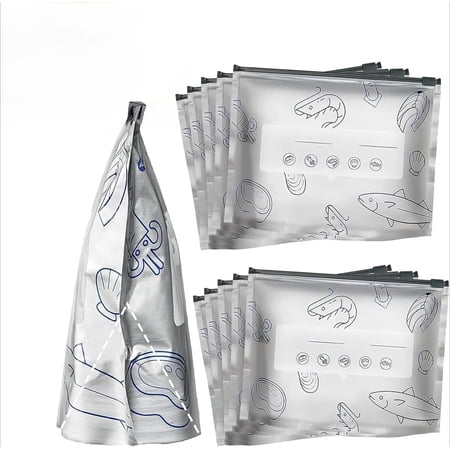
Mylar bags + oxygen absorbers
Mixed sizesWhat you seal finished batches in. Get more than you think you'll need.
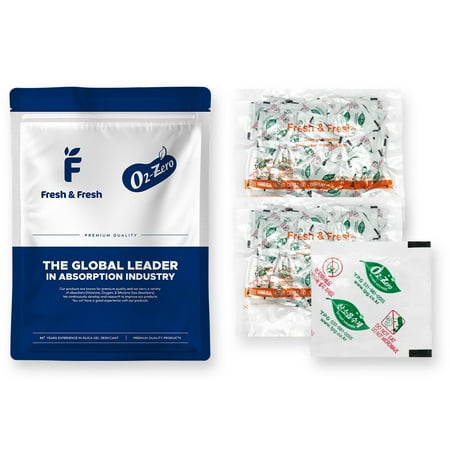
Oxygen absorbers
300ccOne per gallon-size bag. Keep the unused ones in a sealed jar.
Heat sealer
Hand-heldSeals Mylar fast and evenly. A clothes iron works in a pinch.
Affiliate links (Amazon, Walmart and other retailers): I may earn a small commission at no cost to you. Prices are typical and change often (~ means about).